

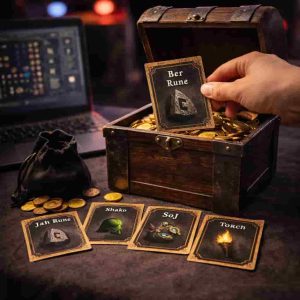
 Loot drops are baked into how gamers think. You defeat something hard, you get something valuable, and the rush sticks with you. That loop doesn’t stay on screen. It shapes expectations, motivation, and how people engage with communities. That’s why using Diablo 2 resurrected items as real-world event rewards works so well. It taps into instinct, nostalgia, and status all at once. D2R players don’t just chase items for power. They chase stories where it dropped. How long did it take? Who was there? That emotional weight makes D2R items unusually effective as prizes, even outside the game itself.
Why D2R Loot Works as Real-World Rewards
Not all digital items translate well into giveaways. Many are forgettable, easy to replace, or locked behind short-term relevance. D2R items are different.
First, scarcity matters. A high rune or a perfect roll isn’t guaranteed. Players understand the odds because they’ve lived them. When an event offers one as a reward, it feels earned before it’s even won.
Second, longevity matters. D2R doesn’t reset, meaning every few months. Items hold value across ladder seasons, non-ladder play, and long-term collections. That makes them feel less like a promo and more like a prize.
Third, recognition matters. Even non-players often recognize specific D2R item names from culture and memes. That shared language gives the reward social weight.
Event Types That Pair Well With D2R Rewards
D2R loot works best when the event mirrors the game’s logic. Skill, chance, or persistence should connect to the reward.
Community tournaments are the obvious fit. Speed runs, PvP duels, or themed challenge runs all map cleanly to loot rewards. Win the bracket, get the drop.
Streaming milestones also work well. Viewer goals, sub counts, or donation thresholds can unlock “drops” pulled live from a mule character. The transparency makes it feel fair and exciting.
Offline events benefit too. LAN parties, gaming bars, or convention meetups can run raffles tied to attendance or participation. The key is framing. Call it a drop, not a prize. Language matters.
Even non-competitive events can work. Trivia nights, cosplay contests, or charity fundraisers gain energy when the reward feels iconic instead of generic.
Digital Items, Physical Impact
At first glance, digital loot might seem abstract. But in practice, it creates very real engagement.
Players show up because the reward feels personal. A gift card is flexible but bland. A rare D2R item says, “This was meant for you.”
There’s also a trust factor. In-game trades are familiar territory. Players already know how value works, how to verify legitimacy, and how to complete the exchange. That reduces friction.
For organizers, the logistics are simpler than shipping physical items. No inventory, no lost packages, no customs forms. Just clear rules and secure delivery.
Handling Fairness and Transparency
Because D2R items have real value, clarity is essential. Ambiguity kills trust fast. Spell out precisely what’s being offered. Include item stats, ladder status, and platform. A vague “high rune” promise isn’t enough. Specifics matter.
Explain how winners are chosen. Random draw, performance-based, or milestone-triggered. Players accept tough odds, but not hidden ones. Timing matters too. Deliver rewards promptly. A delayed drop feels like a bugged chest. It breaks the illusion.
Finally, be upfront about sourcing. Whether items are self-found, donated, or community-pooled, honesty keeps expectations grounded.
The Psychological Hook of the Drop
There’s a reason the phrase “one more run” exists. D2R is built on anticipation, not certainty. That same psychology carries into events.
When a reward is framed as a drop rather than a prize, people lean in. They imagine the moment. The reveal. The reaction. Even spectators feel it.
This shared anticipation boosts engagement more than static rewards. Chat stays active. Attendance holds. People remember the event because it felt like gameplay, not marketing. It also creates stories. Someone didn’t just win a giveaway. They “got the drop.” That phrasing sticks.
Legal and Ethical Considerations
Using digital items as rewards isn’t without responsibility. Organizers need to stay aware of platform rules and local laws.
Avoid tying loot directly to paid entry unless it’s clearly allowed. Keep gambling mechanics out of it. Skill-based or free-entry rewards are safer. Respect Blizzard’s terms. Don’t sell items. Don’t misrepresent affiliation. Community-driven events should stay clearly unofficial.
Most importantly, protect participants. Never require account access. Trades should occur only through standard, secure in-game systems.
Why This Model Keeps Growing
As gaming communities mature, expectations change. Players want rewards that feel relevant, earned, and meaningful. D2R items check all three boxes.
They carry history. They signal expertise. And they turn events into experiences instead of transactions.
Loot drops IRL work because they don’t pretend to be something new. They borrow a system players already trust and love, then bring it into shared spaces.
And when done right, the reward isn’t just the item. It’s the moment it drops.
Loot Drops IRL: Using D2R Items as Event Rewards and Giveaways