

The U.S. Environmental Protection Agency notes that integrated pest management practices focus on prevention and monitoring because environmental conditions often reveal risks before visible pest activity appears. For event planners, that idea extends beyond food placement and seating layouts. Venue walkthroughs frequently involve observing details that can affect guest comfort, equipment handling, and overall event logistics.
Early planning discussions sometimes include hospitality and environmental considerations from external sources, especially when organizers review accommodations, high-traffic venues, and operational checklists. Resources and industry discussions, including information shared by NYC bed bug exterminators, may occasionally become part of broader research into shared-space management and guest comfort considerations. These conversations usually support larger planning efforts rather than focusing on isolated concerns. Event coordinators often assess spaces with the understanding that heavily used environments can create conditions requiring preventative attention.
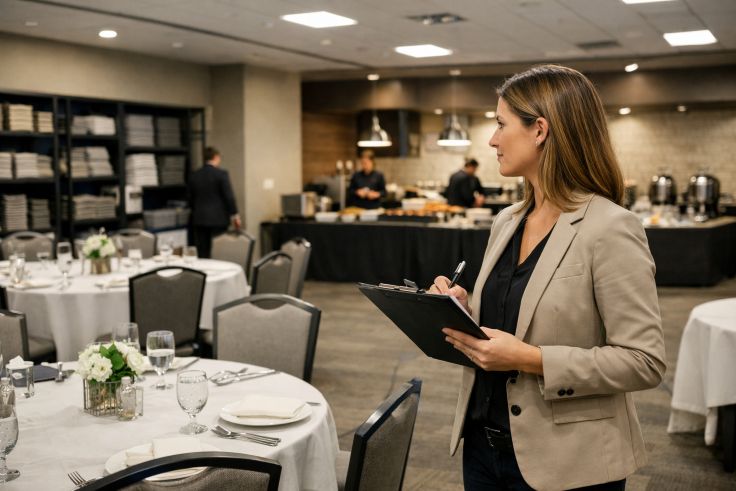
Why Small Environmental Details Matter During Venue Inspections
Large gatherings involve many moving parts. Seating plans, vendor coordination, lighting systems, catering stations, and attendee movement usually receive immediate focus. Yet venue walkthroughs occasionally reveal smaller environmental details that deserve attention because they can influence cleanliness, comfort, and maintenance planning.
Research from The National Pest Management Association indicates that hospitality and public-use spaces experience unique environmental pressures because of frequent human activity and constant movement of materials. While most venue spaces remain well maintained, planners often learn that routine observations can help identify issues before they become larger concerns.
1. Storage Areas Can Reveal More Than Expected
Storage rooms sometimes become overlooked sections during event inspections because planners naturally focus on guest-facing spaces. However, these locations often contain stacked chairs, table coverings, linens, staging equipment, and decorative materials.
Experts from The Centers for Disease Control and Prevention note that cluttered environments can create conditions that make monitoring and maintenance more difficult. Event professionals sometimes pay attention to signs such as accumulated dust, unused materials, damaged boxes, or unusually humid conditions.
These observations do not necessarily indicate active problems. Instead, they may suggest areas where regular facility management practices become important.
2. Furniture Placement Sometimes Creates Hidden Inspection Points
Event venues frequently rearrange furniture depending on event type. Conference setups, wedding receptions, trade shows, and performances all require different layouts.
During walkthroughs, planners occasionally notice:
- Gaps behind couches and upholstered seating
- Areas beneath stage platforms
- Foldable furniture storage sections
- Wall corners hidden by decorative materials
- Temporary seating arrangements
University extension programs focused on integrated pest management research explain that upholstered materials and frequently moved furnishings can require periodic inspection because constant handling changes environmental conditions over time.
Event coordinators may not conduct technical inspections themselves, but they often document observations for venue teams.
3. Food Service Areas Receive Extra Attention During Walkthroughs
Catering preparation spaces naturally receive significant attention because food handling influences guest experience and venue operations.
Research from FoodSafety.gov shows that cleanliness and environmental maintenance contribute to safe food preparation conditions. During venue visits, planners sometimes observe:
- Waste disposal locations
- Drain conditions
- Cleaning schedules
- Food staging areas
- Outdoor serving stations
These details become practical considerations because high guest traffic can place temporary pressure on venue systems.
Outdoor summer events sometimes create additional variables involving weather, moisture, and waste management. Temporary service stations may require different operational planning than permanent kitchen facilities.
4. Guest Accommodations Occasionally Become Part of Event Discussions
Multi-day conferences, destination weddings, and large corporate events often involve nearby hotels or accommodation arrangements.
The Environmental Protection Agency explains that prevention and routine inspection practices help reduce environmental concerns in shared spaces. As a result, planners occasionally include accommodation observations within larger logistical conversations.
This does not mean planners expect problems. Instead, hospitality environments involve high visitor turnover and luggage movement, which naturally leads some organizers to ask operational questions during preparation stages.
Guest experience planning increasingly extends beyond transportation and room availability. Comfort considerations have become part of broader venue assessments.
5. Outdoor Areas Sometimes Introduce Environmental Variables
Outdoor venues can create memorable experiences, but they also introduce conditions that indoor spaces may avoid.
Walkthrough observations sometimes include:
- Standing water after rainfall
- Nearby landscaping conditions
- Waste collection placement
- Lighting around gathering spaces
- Temporary tent positioning
Data from The World Health Organization indicates that environmental conditions can influence insect activity and overall site management practices.
Planners may coordinate with venue staff regarding drainage, maintenance schedules, or placement adjustments before event dates arrive.
6. High Traffic Areas Sometimes Receive Additional Review
Entryways, waiting areas, coat-check sections, and registration stations experience constant movement during large gatherings.
Repeated traffic creates wear patterns that planners sometimes notice during walkthroughs. Small observations may include:
- Damaged baseboards
- Loose carpeting
- Moisture near entrances
- Poor airflow in enclosed spaces
- Cleaning access limitations
The Occupational Safety and Health Administration emphasizes the importance of maintaining safe environments in areas with high human activity.
While safety and accessibility remain primary concerns, environmental maintenance sometimes becomes part of the broader conversation.
READ ALSO: How to Choose a Venue as an Event Planner
Planning Implications for Modern Events
Event preparation increasingly involves looking beyond visible design elements. Venue walkthroughs traditionally focused on seating capacity, audiovisual systems, and scheduling logistics. Today, environmental observations often support a more complete planning approach.
Pest management discussions generally fit within larger operational practices involving cleanliness, maintenance routines, and facility awareness. Small observations during inspections may help planners ask practical questions before guests arrive.
Most venues already maintain established procedures and inspection routines. However, experienced planners often understand that preparation involves identifying details that are easy to miss during fast-moving schedules.
Walkthroughs ultimately serve as opportunities to gather information rather than search for problems. Simple observations involving storage conditions, guest accommodations, outdoor areas, and shared spaces can contribute to smoother event experiences and more informed planning decisions.
Environmental awareness continues to become part of modern event coordination because successful events depend on many small details working together. Pest management considerations often sit quietly within that process, supporting preparation rather than dominating it.